

The ultimate guide to the flannel suit
When temperatures drop and the Parisian sky turns grey, a powerful ally resurfaces in the modern man's wardrobe: flannel.
Long associated with the image of City bankers or our grandfathers' wardrobes, flannel has undergone a spectacular transformation in recent years. At Anthony Garçon, we consider it the quintessential material for "Neo-Tailoring": it is textured, incredibly comfortable, and possesses a soul that classic worsted wool will never have. But what makes this fabric so special? Let's dive into the world of this exceptional material.
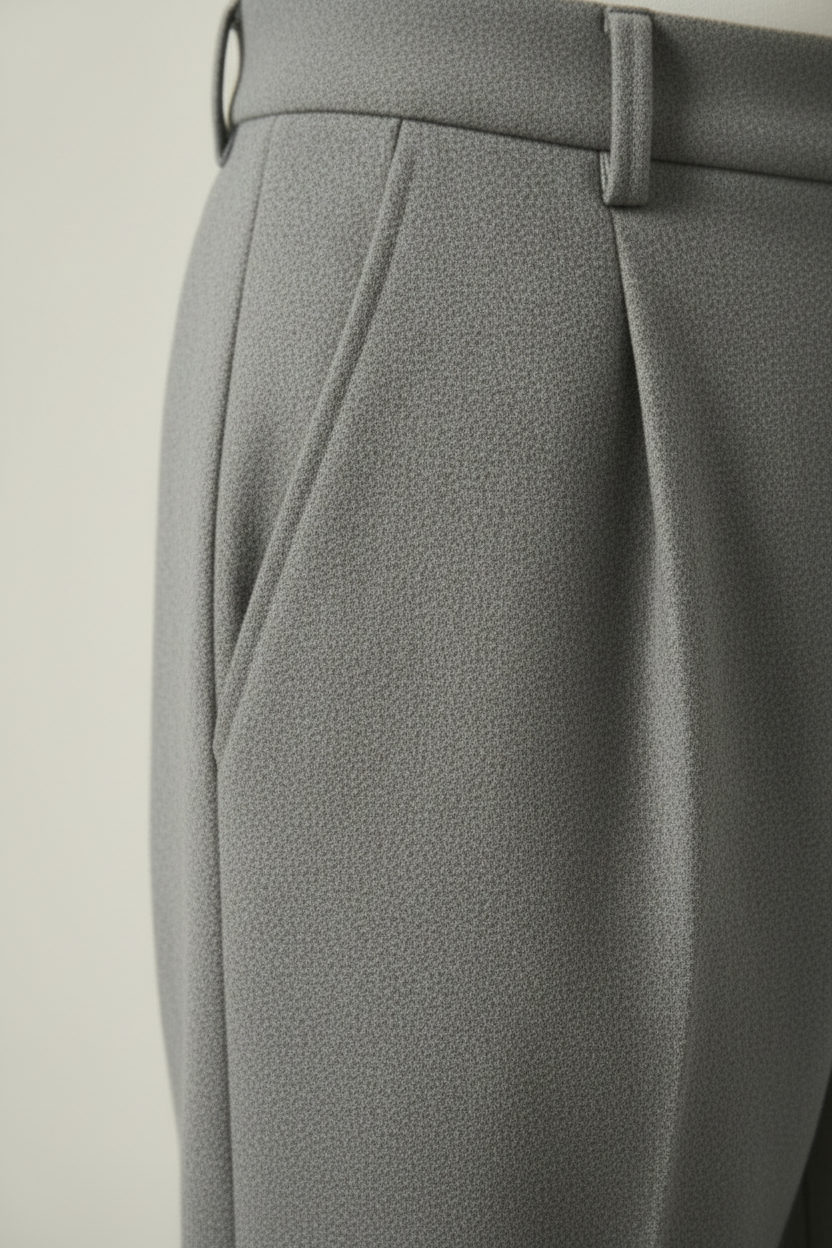
What is flannel?
A finishing technique, not a fiber
Contrary to popular belief, flannel is not a textile fiber in the strict sense. It is a finish, a processing technique that radically transforms the appearance and feel of a fabric. While worsted wool has a smooth, shiny, and clean surface, flannel is carded wool that has undergone a meticulous process called "fulling."
The artisanal manufacturing process
Transforming a wool sheet into authentic flannel requires several steps:
Carding: Wool fibers are first detangled and aligned less strictly than in worsted wool. This step retains more short fibers, which will contribute to the final downy character.
Fulling: The fabric is immersed in hot water and then mechanically compressed. This process tightens the fibers together and gives the fabric its characteristic density.
Brushing (or napping): This is the crucial step. Using natural teasels or rotating wire brushes, artisans delicately lift the fibers to the surface of the fabric. This artificially created "down" gives flannel its incomparable feel.
Shearing (optional): Some flannels are then slightly shorn to even out the height of the down and achieve a more sophisticated look.
The different types of flannel
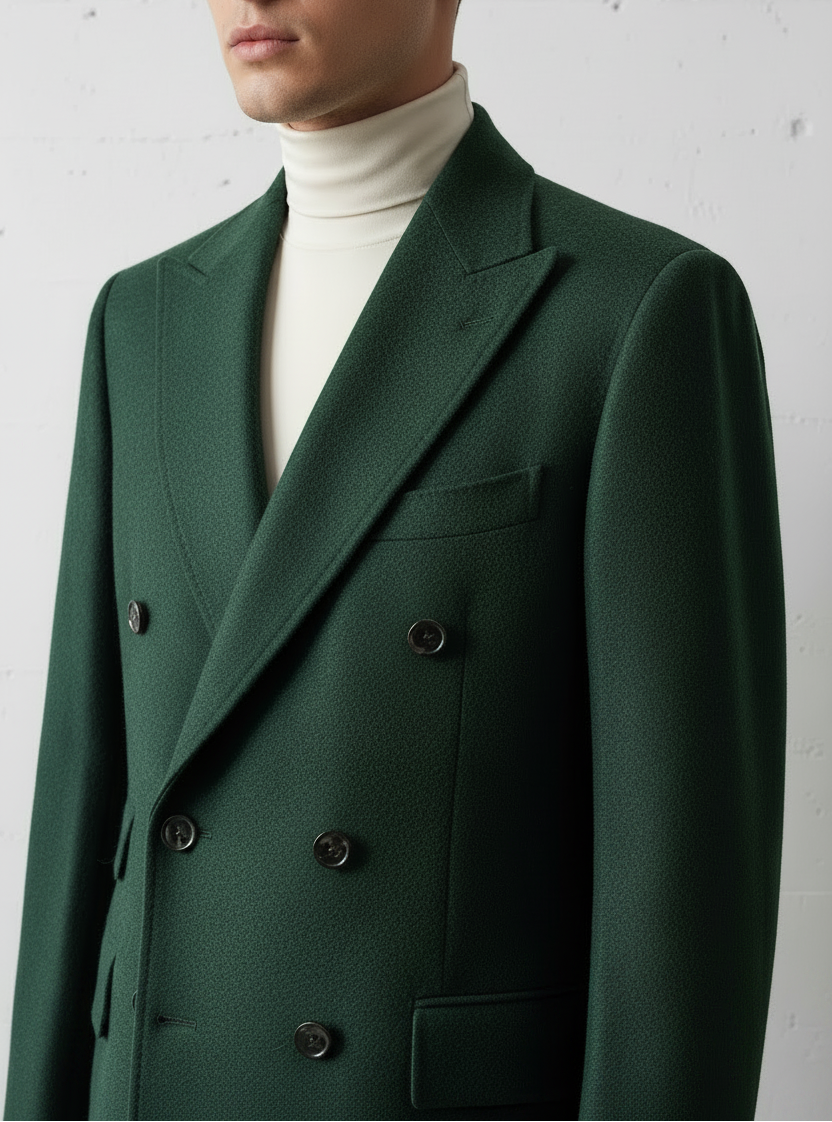
Not all flannels are created equal. Several categories can be distinguished based on their origin and treatment:
English Flannel: Renowned for its durability, it features a light brushing and an impeccable drape. Mills in Huddersfield, Yorkshire, have made it their specialty since the 19th century.
Italian flannel: Lighter and more supple, it favors comfort and ease of movement. Houses such as Vitale Barberis Canonico or Loro Piana excel in this style.
Saxony flannel: Originating from Germany, it is distinguished by its exceptional fineness and a more pronounced brushing, offering incomparable softness to the touch.
Baby flannel: An ultra-light version (around 200-240g/m²) that allows flannel to be worn over an extended period, from autumn to spring.
The secret of thermal comfort
The "airy" structure of flannel, with its millions of micro-pockets of air trapped between the fluffy fibers, makes it one of the best natural thermal insulators. This principle is identical to that of goose down: still air acts as an excellent insulator. A wool flannel suit will keep you warm without making you sweat, thanks to the natural thermoregulating properties of wool.
How to wear flannel with style? The codes of Spezzato (separates)
Flannel is the champion of "Mix & Match," which Italians elegantly call Spezzato (literally "broken" or "mismatched"). Here are the three stylistic registers to master.
The impeccable business look
For your important meetings, a full grey flannel suit remains a timeless, safe bet. Favor classic shades: charcoal grey for its natural authority, mid-grey marl for its versatility, or light grey for a more relaxed effect.
The winning combination: White poplin or twill shirt, wool knit tie (which complements the texture of the flannel), silk pocket square in subtle tones, and patinated leather oxford shoes. You are prepared for your most strategic negotiations with a touch of textured boldness that will subtly set you apart.
The detail that makes the difference: Dare to wear a cashmere or silk grenadine tie. These materials dialogue harmoniously with the matte character of flannel.
The "Neo-Tailor" Look (Separates)
This is where flannel reveals its full potential. Take your blue or grey flannel suit jacket and wear it over raw denim of good quality or beige chinos in heavy cotton.
Why it works: The matte appearance of flannel avoids the dreaded "I forgot my suit trousers at the dry cleaners" look. The rich texture of the fabric instantly legitimizes the mismatch, where a worsted wool jacket would appear out of place.
The right combinations:
- Grey flannel jacket + raw denim + sky blue oxford shirt + desert boots
- Navy blue flannel jacket + camel chinos + cream turtleneck + loafers
- Prince of Wales flannel jacket + burgundy corduroy trousers + white shirt
The Casual-Chic Look
Flannel trousers worn on their own are a strong piece in the male wardrobe, capable of instantly transforming an ordinary outfit into a sophisticated silhouette.
The formula: Pair your grey flannel trousers with a turtleneck sweater in merino, cashmere, or lambswool. Add a chunky knit cardigan or a soft leather jacket for cooler days. Finish with a pair of grained leather boots or minimalist white leather sneakers.
When to adopt it: Weekend in the city, casual dinner with friends, art opening, Sunday brunch... This look embodies effortless elegance, the famous "sprezzatura" dear to Italians.